
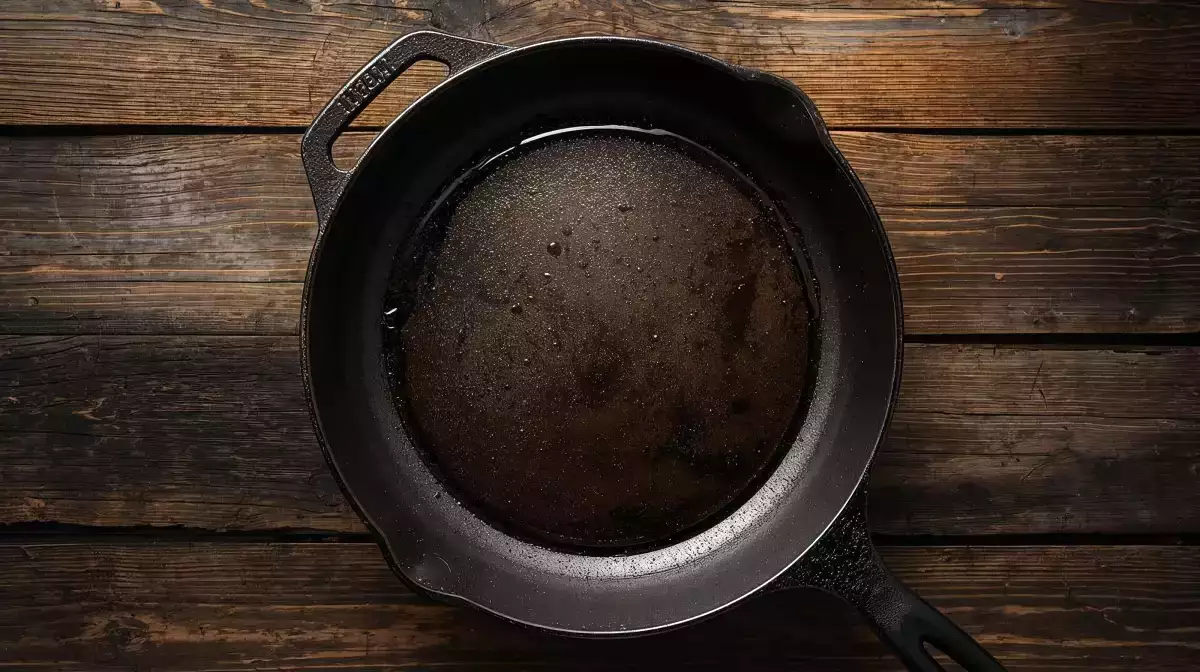
A well-maintained cast iron pan can last for generations. With proper cleaning and seasoning, your skillet develops a naturally nonstick surface and becomes even better over time.
Here’s how to clean and season your cast iron pan the right way — just like the pros do.
Why Cast Iron Needs Special Care
Unlike regular nonstick cookware, cast iron is protected by a layer called seasoning — baked-on oil that prevents rust and creates a smooth cooking surface.
Improper cleaning can strip this layer away, causing:
- Rust
- Sticky surfaces
- Food sticking
- Dull appearance
The good news: maintaining cast iron is actually simple once you know the process.
What You’ll Need
Gather these supplies before starting:
- Hot water
- Mild dish soap (optional)
- Sponge or stiff brush
- Coarse salt
- Paper towels or cloth
- Neutral oil (vegetable, canola, grapeseed, or flaxseed oil)
Avoid soaking cast iron in water for long periods.
Part 1: How To Clean Your Cast Iron Pan
Step 1: Clean Immediately After Cooking
The easiest time to clean cast iron is while it’s still slightly warm.
- Rinse with hot water
- Use a sponge or brush to remove food residue
For stuck-on food:
- Add coarse salt
- Scrub gently using a paper towel or sponge
The salt acts as a natural abrasive without damaging the seasoning.
Step 2: Can You Use Soap?
Yes — a small amount of mild dish soap is fine occasionally.
Modern cast iron seasoning is much stronger than people think. Just avoid harsh detergents or long soaking.
Step 3: Dry Completely
This is the most important step.
Water causes rust quickly.
After washing:
- Wipe dry with a towel
- Place the pan on low heat for 1–2 minutes to remove hidden moisture
The pan should be completely dry before storing.
Part 2: How To Season Your Cast Iron Pan
Seasoning protects the metal and creates a slick cooking surface.
Step 1: Apply a Thin Layer of Oil
Add a few drops of oil to the pan.
Spread it across:
- Inside surface
- Outside surface
- Handle
Use a paper towel to wipe away excess oil.
The pan should look almost dry — too much oil creates sticky residue.
Step 2: Bake the Pan
Place the pan upside down in the oven.
Recommended temperature:
- 450°F (230°C)
Bake for 1 hour.
Place foil or a baking tray underneath to catch drips.
Step 3: Let It Cool Slowly
Turn off the oven and allow the pan to cool inside.
This helps the seasoning bond properly to the iron.
How Often Should You Season It?
You may only need full seasoning occasionally if you maintain the pan properly.
However, reseason if you notice:
- Rust spots
- Dull gray patches
- Sticky texture
- Food sticking badly
Light oiling after each use helps maintain the surface.
Common Mistakes To Avoid
Don’t:
- Leave it soaking in water
- Put it in the dishwasher
- Store it while damp
- Use excessive oil when seasoning
Do:
- Dry thoroughly
- Oil lightly after cleaning
- Cook with fats regularly
- Store in a dry place
Bonus Tip: Cooking Helps Seasoning
Foods cooked with oil naturally improve seasoning over time.
Great foods for building seasoning include:
- Bacon
- Cornbread
- Fried potatoes
- Grilled vegetables
Acidic foods like tomatoes can weaken fresh seasoning, so avoid them in newly seasoned pans.
Final Thoughts
Cleaning and seasoning cast iron isn’t complicated — it’s all about consistency. With proper care, your cast iron pan becomes naturally nonstick, incredibly durable, and better with every meal you cook.
Treat it well, and it can easily last a lifetime — or longer.
Des réponses plus intelligentes, le chargement de fichiers et d’images, et bien plus encore.